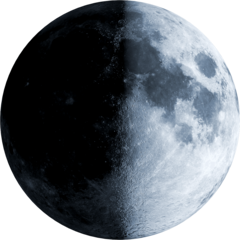
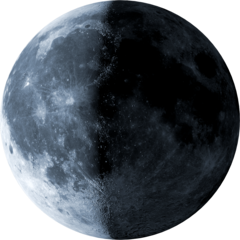
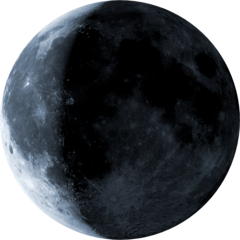
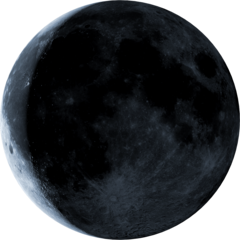
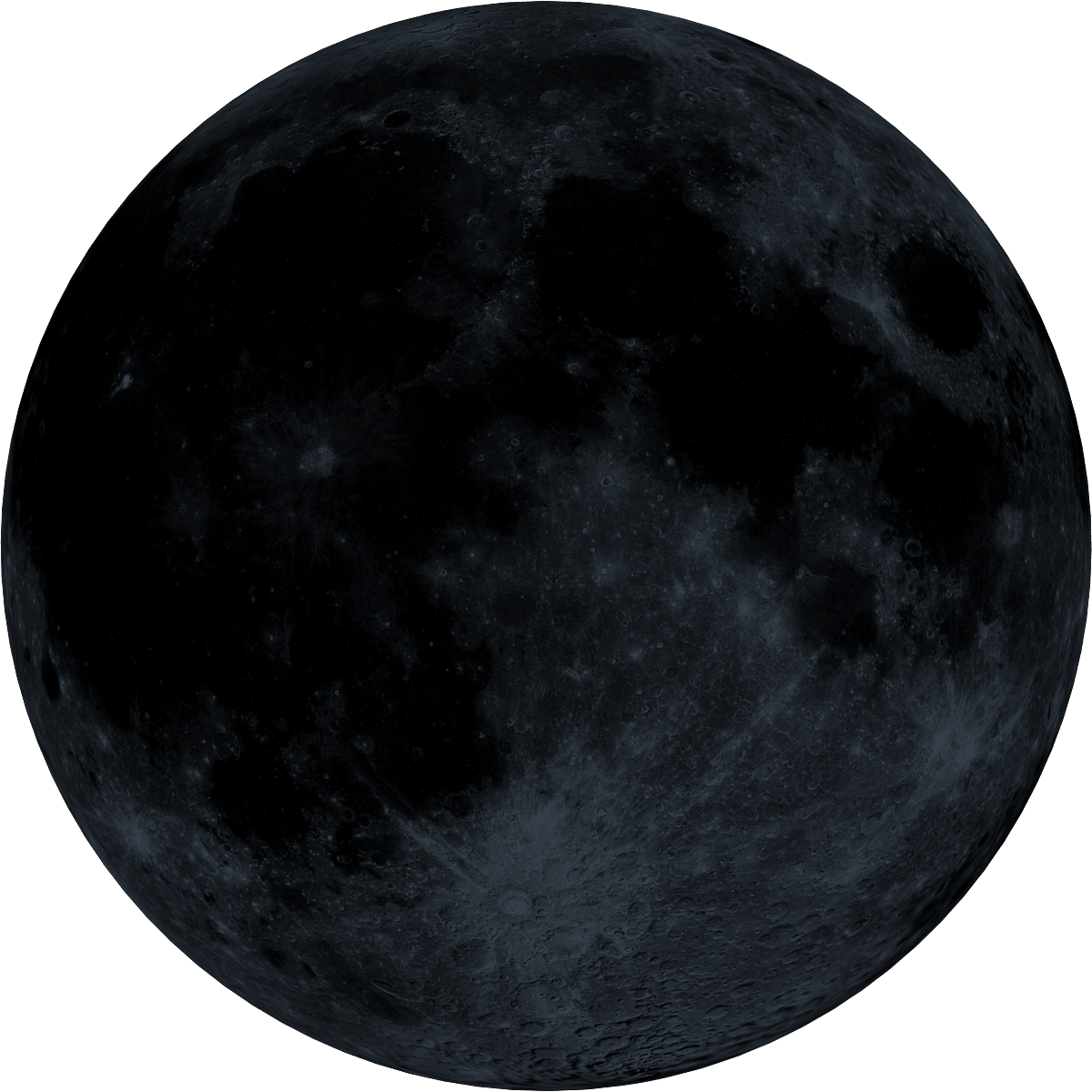
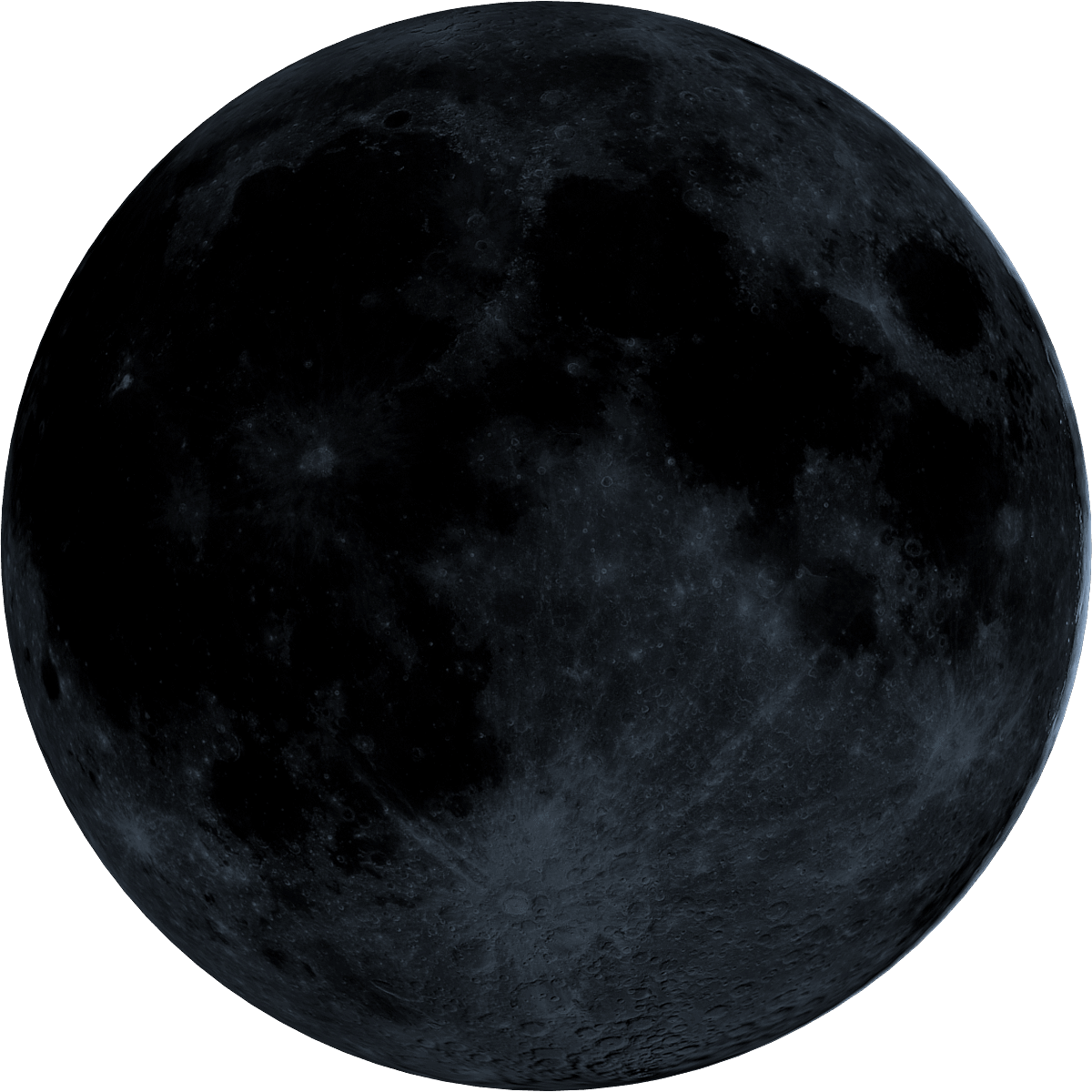
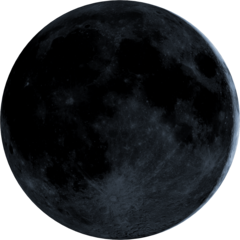
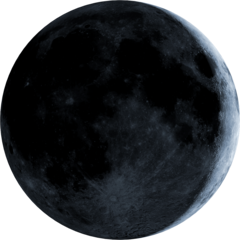
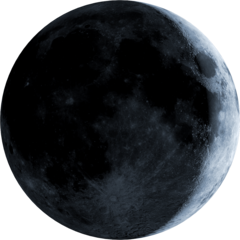
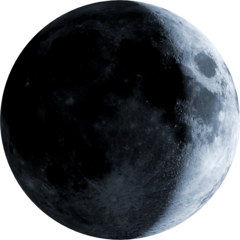
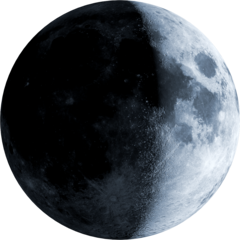
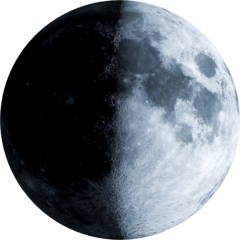
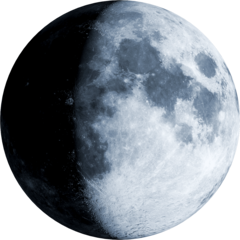
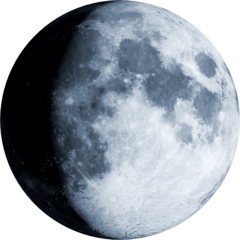
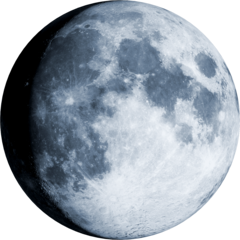
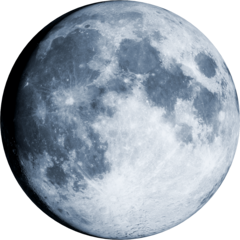
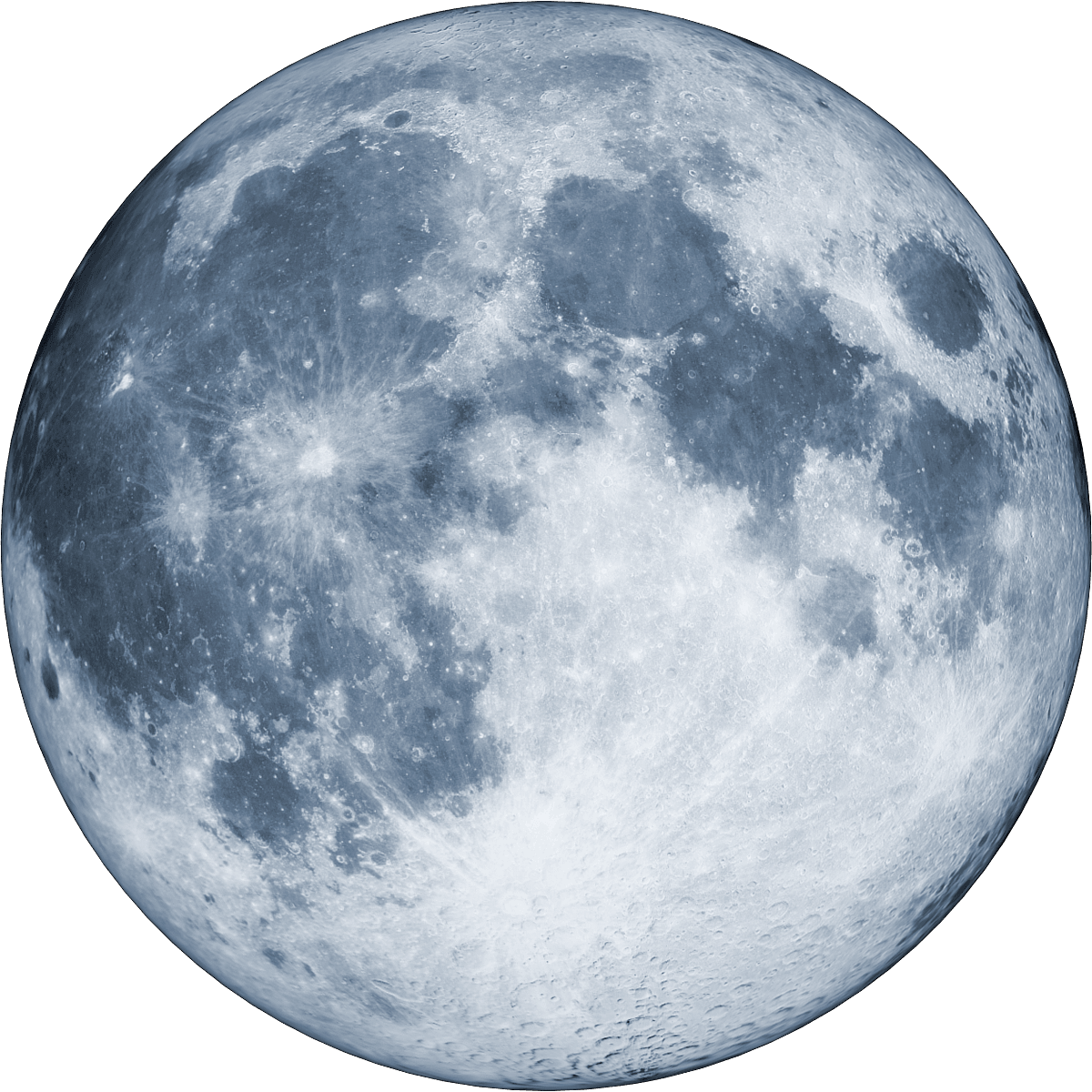
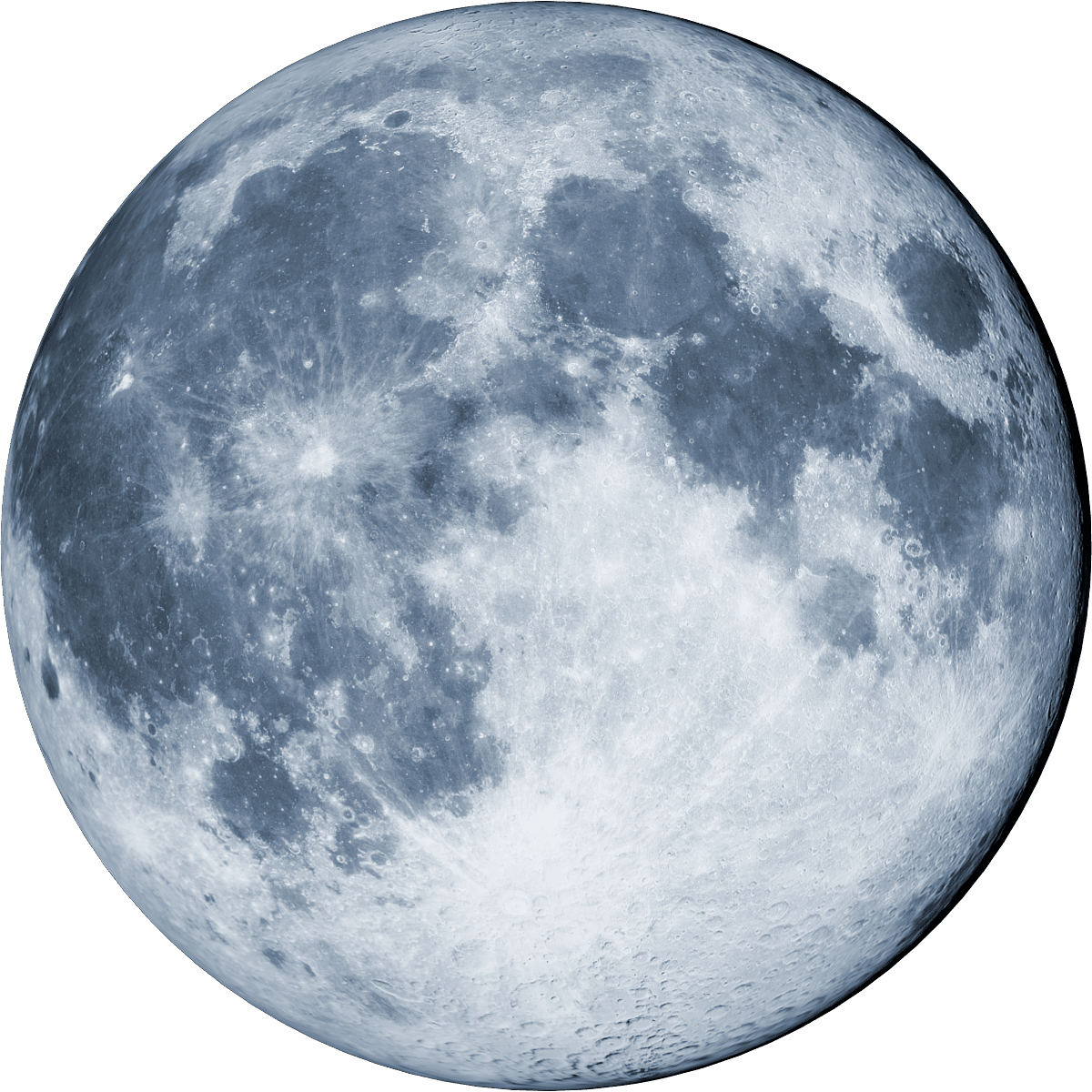
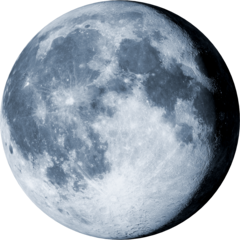
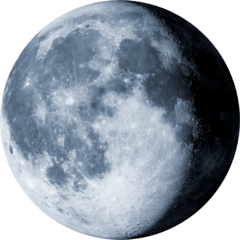
First Quarter
50.2% ↑ Illumination
7.4 days Moon age

October 18, 2026, 19:29 · UTC+3

First Quarter

Upcoming events

Full Moon
New Moon
Full Moon
New Moon

Moon Parameters

Declination
-23.8°
Right ascension
19h 51m 49s
Distance
402,766 km
Angular diameter
29.7′
Ecliptic latitude
-2.8°
Phase angle
89.7°
Elongation
90.1°
Parallax
54.4′

Sun Parameters

Declination
-9.8°
Right ascension
13h 33m 50s
Distance
149,044,603 km
Angular diameter
32.1′
Ecliptic longitude
205.3°
Equation of time
+14 min 52 s
Apparent magnitude
-26.9
Declination trend
South 0.4°/per day
Sun
Mon
Tue
Wed
Thu
Fri
Sat
1 Waning Gibbous Thu, October 1 Waning Gibbous At 00:0079.1% Age19.2 days 2 Waning Gibbous Fri, October 2 Waning Gibbous At 00:0069.0% Age20.3 days 3 Last Quarter 4:25 PM Last Quarter Sat, October 3 Last Quarter Last Quarter 16:25 At 00:0057.9% Age21.4 days 4 Waning Crescent Sun, October 4 Waning Crescent At 00:0046.5% Age22.5 days 5 Waning Crescent Mon, October 5 Waning Crescent At 00:0035.3% Age23.6 days 6 Waning Crescent Tue, October 6 Waning Crescent At 00:0025.0% Age24.6 days 7 Waning Crescent Wed, October 7 Waning Crescent At 00:0016.0% Age25.7 days 8 Waning Crescent Thu, October 8 Waning Crescent At 00:008.7% Age26.7 days 9 Waning Crescent Fri, October 9 Waning Crescent At 00:003.6% Age27.7 days 10 New Moon 6:50 PM New Moon Sat, October 10 New Moon New Moon 18:50 At 00:000.8% Age28.8 days 11 Waxing Crescent Sun, October 11 Waxing Crescent At 00:000.2% Age0.2 days 12 Waxing Crescent Mon, October 12 Waxing Crescent At 00:001.7% Age1.2 days 13 Waxing Crescent Tue, October 13 Waxing Crescent At 00:005.3% Age2.1 days 14 Waxing Crescent Wed, October 14 Waxing Crescent At 00:0010.5% Age3.1 days 15 Waxing Crescent Thu, October 15 Waxing Crescent At 00:0017.1% Age4.0 days 16 Waxing Crescent Fri, October 16 Waxing Crescent At 00:0024.9% Age4.9 days 17 Waxing Crescent Sat, October 17 Waxing Crescent At 00:0033.4% Age5.8 days 18 First Quarter 7:12 PM First Quarter Sun, October 18 First Quarter First Quarter 19:12 At 00:0042.6% Age6.7 days 19 Waxing Gibbous Mon, October 19 Waxing Gibbous At 00:0052.0% Age7.6 days 20 Waxing Gibbous Tue, October 20 Waxing Gibbous At 00:0061.5% Age8.5 days 21 Waxing Gibbous Wed, October 21 Waxing Gibbous At 00:0070.8% Age9.4 days 22 Waxing Gibbous Thu, October 22 Waxing Gibbous At 00:0079.4% Age10.3 days 23 Waxing Gibbous Fri, October 23 Waxing Gibbous At 00:0087.1% Age11.3 days 24 Waxing Gibbous Sat, October 24 Waxing Gibbous At 00:0093.3% Age12.3 days 25 Waxing Gibbous Sun, October 25 Waxing Gibbous At 00:0097.7% Age13.4 days 26 Full Moon 7:11 AM Full Moon Mon, October 26 Full Moon Full Moon 07:11 At 00:0099.7% Age14.4 days 27 Waning Gibbous Tue, October 27 Waning Gibbous At 00:0099.1% Age15.5 days 28 Waning Gibbous Wed, October 28 Waning Gibbous At 00:0095.8% Age16.7 days 29 Waning Gibbous Thu, October 29 Waning Gibbous At 00:0089.9% Age17.8 days 30 Waning Gibbous Fri, October 30 Waning Gibbous At 00:0081.8% Age18.9 days 31 Waning Gibbous Sat, October 31 Waning Gibbous At 00:0072.0% Age20.0 days

2026 Moon Phases

50 events
New Moon
Waxing Crescent
First Quarter
Waxing Gibbous
Full Moon
Waning Gibbous
Last Quarter
Waning Crescent
First Quarter

Lunar cycle

The lunar cycle is the repeating change in the Moon's visible shape as it moves around Earth. A full cycle from one new moon to the next takes about 29.5 days and is called a synodic month.

The four major phases are new moon, first quarter, full moon, and last quarter. Astronomically, they occur when the Moon's ecliptic longitude differs from the Sun's longitude by about 0, 90, 180, and 270 degrees. Published phase times are usually geocentric, calculated for Earth's center, so local observing conditions can differ slightly.

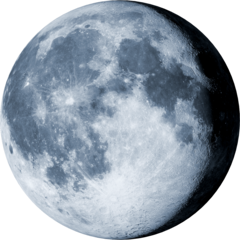
At new moon, the Moon is near the Sun in the sky and its illuminated side mostly faces away from Earth. As the Moon moves eastward along its orbit, more of the bright side becomes visible: this is the waxing half of the cycle. Light increases through waxing crescent, first quarter, and waxing gibbous to full moon, when the Moon is opposite the Sun and rises around sunset.

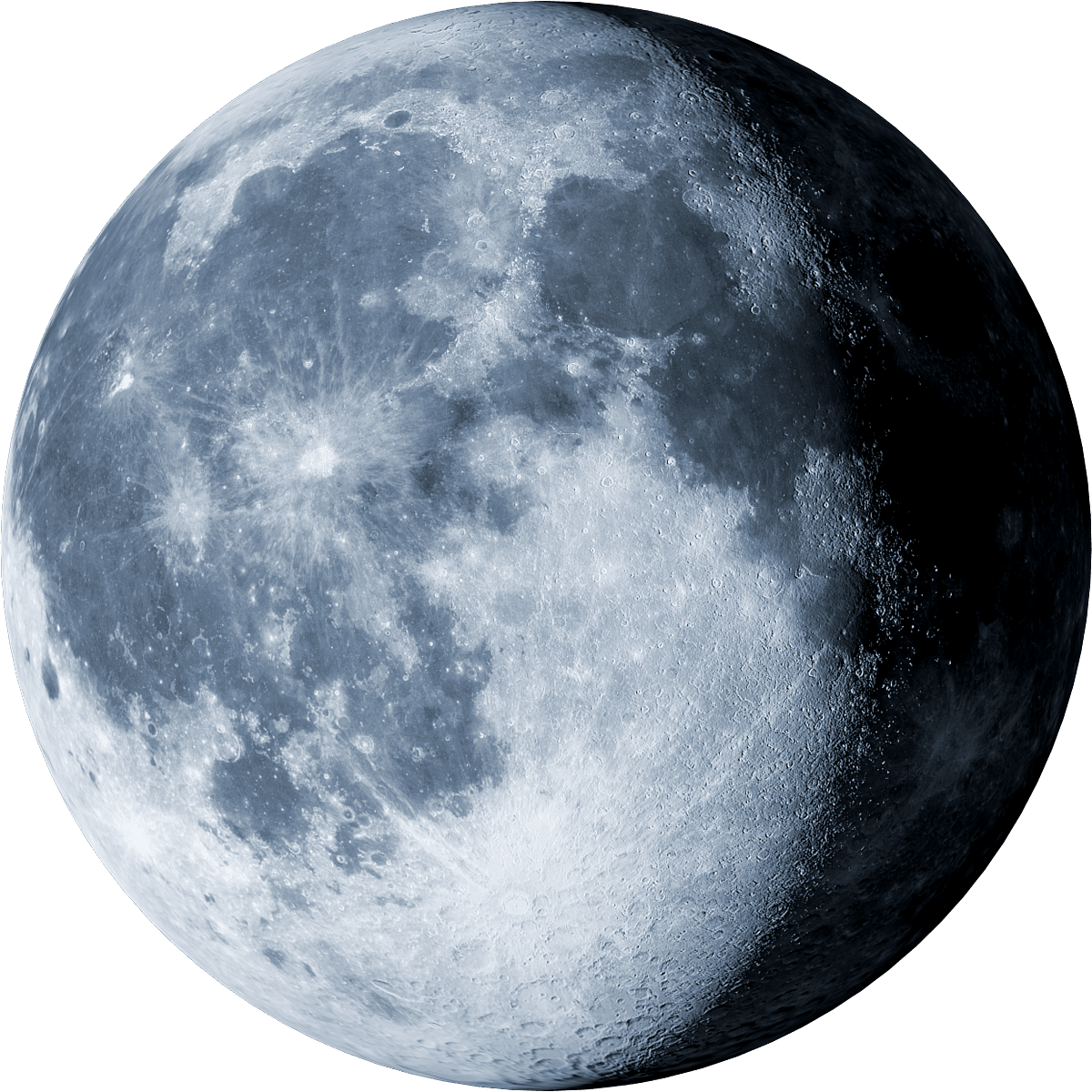
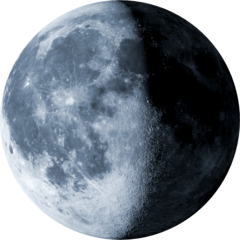
After full moon, the illuminated part shrinks. This waning half passes through waning gibbous, last quarter, and waning crescent before returning to new moon. The exact phase is not caused by Earth's shadow; it is the viewing angle between the Sun, Earth, and Moon. Earth's shadow creates a lunar eclipse only during especially precise alignment.

Intermediate phases are the crescent and gibbous phases between the four major points. On average each intermediate phase lasts about a quarter of a synodic month, roughly 7.4 days, but the Moon's elliptical orbit makes that rhythm not perfectly even.

A sidereal month, the Moon's circuit relative to the stars, lasts about 27.3 days. The phase cycle is longer because Earth is also moving around the Sun; the Moon has to travel a little farther before the Sun-Earth-Moon geometry repeats.

The Moon almost always shows Earth the same face because its rotation period is synchronized with its orbital period. Even so, a small wobble called libration lets us see slightly more than half of the lunar surface over time.

The appearance of the Moon's phase also depends on the observer's latitude. A crescent that looks upright in one region may be tilted in another, and between the Northern and Southern Hemispheres the view is effectively rotated.

Thin crescents can show earthshine: a faint glow on the Moon's dark part caused by sunlight reflected from Earth back onto the lunar surface. Near full moon the Moon is brightest, but surface shadows are short; near the quarters, longer shadows make craters and mountain ridges easier to observe.

Moonrise and moonset shift later each day because the Moon moves along its orbit while Earth rotates. The interval is not fixed, but it is often close to 50 minutes. Distance changes during the month too, so some full moons look slightly larger near perigee and slightly smaller near apogee.

Eclipses do not happen every month because the Moon's orbital plane is tilted about five degrees relative to Earth's orbital plane, the ecliptic. A solar eclipse requires new moon near a lunar node, and a lunar eclipse requires full moon near one of those nodes.

Moon phases have also been used for timekeeping. Pure lunar calendars follow lunations directly, while lunisolar calendars add corrections because twelve lunar months are about ten or eleven days shorter than a solar year.

Phase Month Date and time
Full Moon January
Last Quarter January
New Moon January
First Quarter January
Full Moon February
Last Quarter February
New Moon February
First Quarter February
Full Moon March
Last Quarter March
New Moon March
First Quarter March
Full Moon April
Last Quarter April
New Moon April
First Quarter April
Full Moon May
Last Quarter May
New Moon May
First Quarter May
Full Moon May
Last Quarter June
New Moon June
First Quarter June
Full Moon June
Last Quarter July
New Moon July
First Quarter July
Full Moon July
Last Quarter August
New Moon August
First Quarter August
Full Moon August
Last Quarter September
New Moon September
First Quarter September
Full Moon September
Last Quarter October
New Moon October
First Quarter October
Full Moon October
Last Quarter November
New Moon November
First Quarter November
Full Moon November
Last Quarter December
New Moon December
First Quarter December
Full Moon December
Last Quarter December

Moon in Zodiac

October 2026
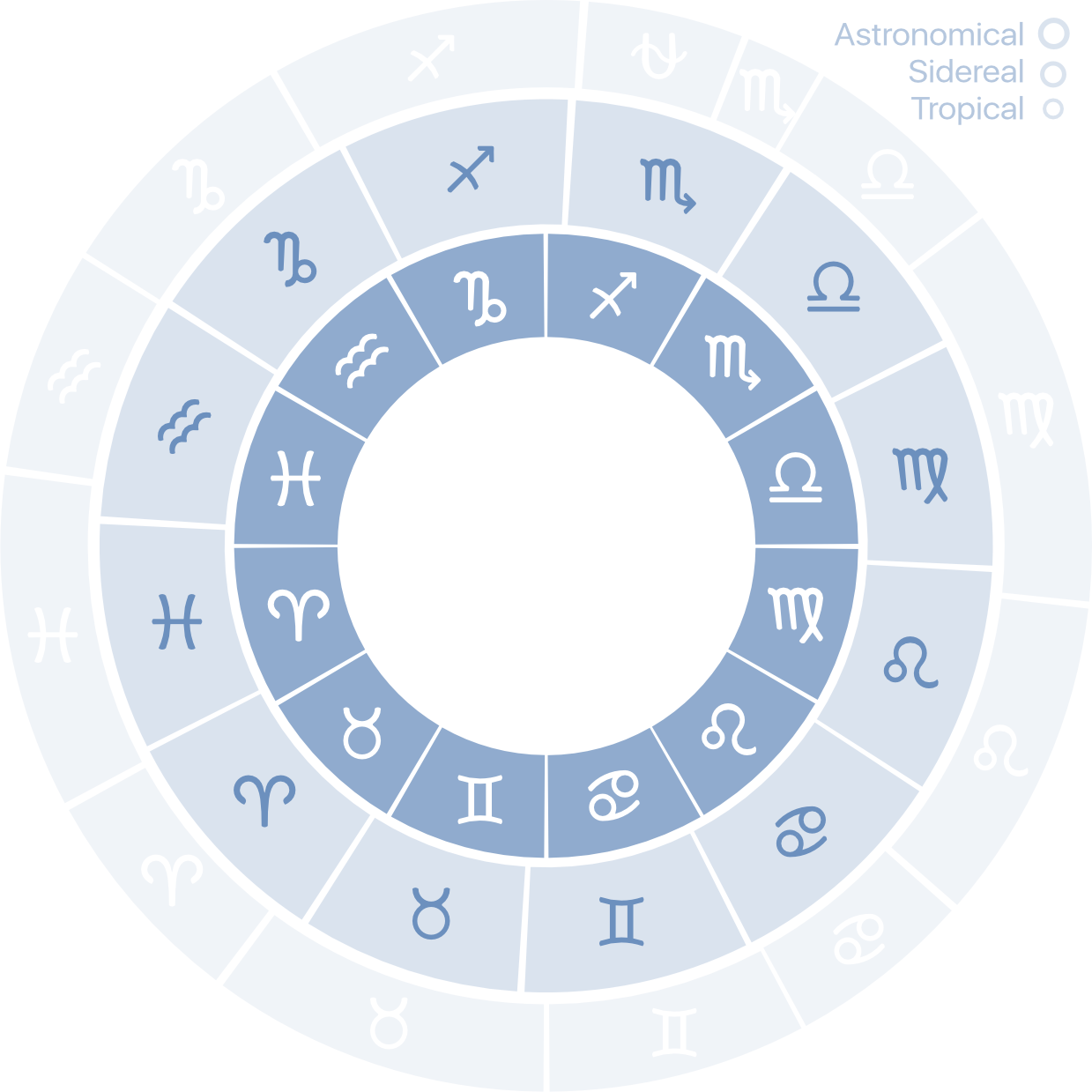
Sun in zodiac Tropical Moon in Capricorn
Date and time

Tropical

Ecliptic longitude
295.4°
Sign
Capricorn
Position in sign
25.4°

Sidereal (Galactic)

Ecliptic longitude
270.1°
Sign
Capricorn
Position in sign
0.1°
Solar-Lunar Arc 90.1°

Moon in Zodiac signs

The zodiac is a belt of sky around the ecliptic, the Sun's apparent yearly path. The Moon and visible planets also move near this belt, so their positions can be described by zodiac signs.

Zodiac signs divide the ecliptic into twelve equal 30-degree sections. The familiar sign names are linked to classical constellations, but the signs themselves are mathematical longitude divisions, not the uneven constellation outlines used in modern astronomy.

The tropical zodiac starts from the March equinox. Aries begins at that seasonal point, and the other signs continue in equal 30-degree steps. This keeps the zodiac tied to the cycle of seasons, solstices, and equinoxes.

The sidereal zodiac is measured relative to the background stars. Because of the slow wobble of Earth's axis, called the precession of the equinoxes, the tropical and sidereal zodiacs gradually drift apart.

That difference is handled with an offset called ayanamsha. Different sidereal traditions define the offset in different ways, so the app lets you compare several sidereal systems with the tropical table.

The Moon moves quickly through the zodiac, entering a new sign about every two to three days. That is why tropical and sidereal Moon signs for one date and location can differ, even though both are calculated from the same Moon position.

Tropical

Sign Longitude Date and time
Cancer Ingress
Leo Ingress
Virgo Ingress
Libra Ingress
Scorpio Ingress
Sagittarius Ingress
Capricorn Ingress
Aquarius Ingress
Pisces Ingress
Aries Ingress
Taurus Ingress
Gemini Ingress
Cancer Ingress
Sign Longitude Date and time
Gemini Ingress
Cancer Ingress
Leo Ingress
Virgo Ingress
Libra Ingress
Scorpio Ingress
Sagittarius Ingress
Capricorn Ingress
Aquarius Ingress
Pisces Ingress
Aries Ingress
Taurus Ingress
Gemini Ingress
Cancer Ingress

Rise/Set

October 18, 2026, 19:29 · UTC+3

Moon and Sun

Body Event Date, time and azimuth
Moon Lower transit Oct 18, 06:35 · 360.0°
Sun Rise Oct 18, 07:25 · 104.2°
Sun Transit Oct 18, 12:43 · 180.0°
Moon Rise Oct 18, 15:05 · 130.4°
Sun Set Oct 18, 18:00 · 255.6°
Moon Upper transit Oct 18, 19:00 · 180.0°
Moon Set Oct 18, 23:01 · 231.5°

Current Parameters

Body Parameter Value
Moon Altitude 14.4°
Moon Azimuth 186.7°
Sun Altitude -14.9°
Sun Azimuth 272.7°
Sun Day length 10 h 35 min
Sun Night length 13 h 24 min

Monthly Rise/Set · October 2026

UTC+3
Date Moonrise Moonset Sunrise Sunset
Thu, Oct 1 13:18 18:36
Fri, Oct 2 14:29 18:34
Sat, Oct 3 15:23 18:32
Sun, Oct 4 16:02 18:29
Mon, Oct 5 16:29 18:27
Tue, Oct 6 16:49 18:25
Wed, Oct 7 17:05 18:23
Thu, Oct 8 17:19 18:21
Fri, Oct 9 17:32 18:19
Sat, Oct 10 17:46 18:16
Sun, Oct 11 18:01 18:14
Mon, Oct 12 18:20 18:12
Tue, Oct 13 18:43 18:10
Wed, Oct 14 19:15 18:08
Thu, Oct 15 19:56 18:06
Fri, Oct 16 20:49 18:04
Sat, Oct 17 21:52 18:02
Sun, Oct 18 23:01 18:00
Mon, Oct 19 - 17:58
Tue, Oct 20 00:13 17:56
Wed, Oct 21 01:27 17:54
Thu, Oct 22 02:42 17:52
Fri, Oct 23 03:57 17:50
Sat, Oct 24 05:15 17:48
Sun, Oct 25 06:36 17:46
Mon, Oct 26 08:02 17:44
Tue, Oct 27 09:31 17:42
Wed, Oct 28 10:58 17:40
Thu, Oct 29 12:17 17:39
Fri, Oct 30 13:18 17:37
Sat, Oct 31 14:02 17:35